
A Beginner Cardio Ebook gives you a clear starting point when exercise feels confusing, inconsistent, or hard to begin. Many people want better stamina, more energy, and a healthier routine, but they do not know what to do first. Random videos can feel overwhelming. Gym plans may feel too advanced. A guided home approach makes movement more approachable. It explains how to start, how to progress, and how to stay motivated. You can build confidence without expensive equipment or complicated schedules. The goal is not to become perfect overnight. The goal is to create a routine you can trust and repeat.
Guidance reduces uncertainty. When you are new or returning after a break, uncertainty can stop you before you begin. You may wonder which moves are safe, how long to work, or how hard to push. A cardio ebook for beginners can organize those answers into a simpler path. It helps you start with manageable sessions. It also shows you how to build gradually. That structure makes workouts feel less intimidating. You can focus on showing up instead of designing everything from scratch. This is where momentum begins.
Your starting level is not a judgment. It is information. Some beginners can handle twenty minutes immediately. Others need five to ten minutes at first. Both starting points are valid. Notice your breathing, coordination, balance, and recovery. Choose movements that let you stay in control. Avoid comparing your pace with someone else’s highlight reel. Fitness becomes sustainable when it respects your current reality. Start lower than your ego wants if needed. Finishing with confidence is better than quitting from overwhelm. Once the habit feels stable, you can increase challenge. That is how real progress begins.
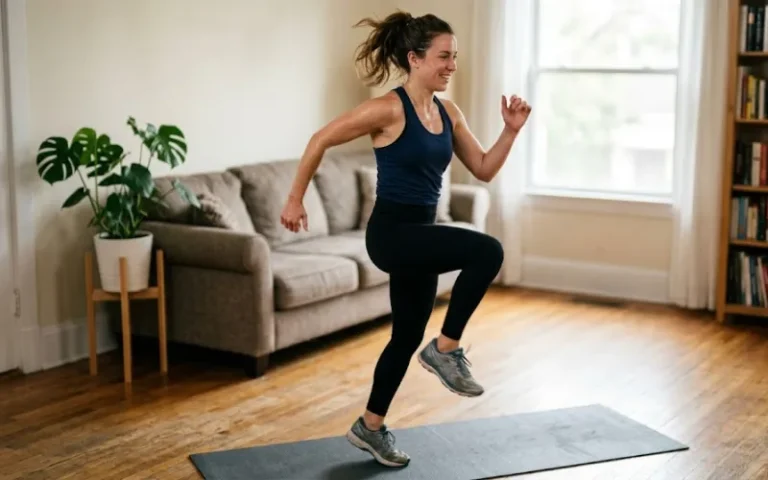
Good beginner workouts usually include warmup, main movement, and cooldown. The warmup prepares your joints and raises your heart rate gradually. The main section builds stamina through simple intervals. The cooldown helps your body transition back down. Use simple no-equipment cardio when you want a low-barrier routine. Marches, side steps, knee lifts, punches, and modified jacks are useful choices. Keep the moves familiar at first. Confidence grows when you understand the workout. Complexity can come later. The first goal is consistency, not performance.
The first week often feels exciting because everything is new. Motivation may dip after that. This is normal. Build systems that do not depend on constant enthusiasm. Schedule workouts in advance. Keep sessions short enough to complete. Track every finished workout. Pair movement with music you enjoy. Set practical goals, such as completing three sessions this week. Avoid goals that feel distant or vague. Motivation grows when you see yourself following through. Each completed session becomes evidence. You are becoming more active. You are building trust with yourself. That trust is more powerful than temporary excitement.
Progression should be clear and gentle. Add five minutes when sessions feel comfortable. Increase speed only after form feels stable. Try slightly harder variations when recovery improves. A beginner to intermediate cardio path can help you avoid guessing. You should not jump from easy sessions to exhausting ones overnight. That often creates soreness and discouragement. Instead, build layers. More time, better control, shorter rest, and stronger movement can all mark progress. This approach feels safer. It also keeps you engaged because improvement stays visible.
AI can make home cardio easier to plan. You can ask for a ten-minute beginner session with low-impact moves. You can request a weekly schedule based on your available days. You can ask for substitutions when a movement bothers your knees or wrists. Review every suggestion carefully. Your comfort and safety still matter most. AI works best as a planning assistant, not a coach you obey blindly. It can reduce decision fatigue and add variety. It can also help you adjust when life changes. Smart planning keeps the routine fresh without making it complicated.
A workout becomes lifestyle when it feels normal, not dramatic. You stop waiting for ideal conditions. You move because it belongs in your week. Some sessions will feel strong. Others will feel modest. Both count. Use home fitness routines that leave room for real life. If you miss a day, return the next day without guilt. If energy is low, choose a shorter session. Consistency is built through returns, not perfection. Over time, your stamina improves. Your confidence grows. Home cardio becomes something you can rely on.



Leave a comment